
By Sean Mueck
Tension between Serbia and Kosovo has recently renewed after a late September terrorist attack in northern Kosovo. Around 30 armed ethnic Serbians locked themselves inside an Orthodox monastery in the town of Banjska. This resulted in an hours-long gun battle that ended in three attackers and Kosovar sergeant Afrim Bunjaku dead.
Kosovo Prime Minister Albin Kurti stated the attack was a “terror attack” conducted by “Serbian criminal gangs.” Kurti then went on to accuse Serbia of sending attackers into Kosovo. Serbian President Aleksandar Vučić denied Belgrade’s involvement in the attack, going on to state they were Kosovo Serbs who “had enough of Kurtis terror.”
Serbia has stationed around 4,000 military personnel along the border with Kosovo. Fears of Serbia invading are high despite Serbian President Aleksandar Vučić denying the claims. Stating waging war with Kosovo would be counterintuitive to Belgrade’s attempt to join the EU.
The September 24th attack was polarizing, as it was one of the worst spouts of violence since Kosovo declared independence from Serbia in 2008. Fears have grown as some predict a second war between the two nations. Political analysts have gone on to state that while the “world is focused on Ukraine, a new conflict is brewing between the two Balkan states.”
Serbia and Kosovo have historically had strained relations. Kosovo is made up of a majority of ethnic Albanians. While Northern Kosovo is made up of a minority of ethnic Serbs. Ethnic Albanians have been elected to power in Northern Kosovo, which has created unrest as the minority Serbs feel discriminated against. They have gone on to boycott the election results.
Serbia used to control the entire territory until Kosovo declared independence in 2008. Serbia refuses to recognize Kosovo as a sovereign state despite controlling no portion of its territory anymore. Around 100 countries formally recognize Kosovo as a country. The majority of Western nations recognize Kosovo as independent, while both China and Russia stand with Serbia.
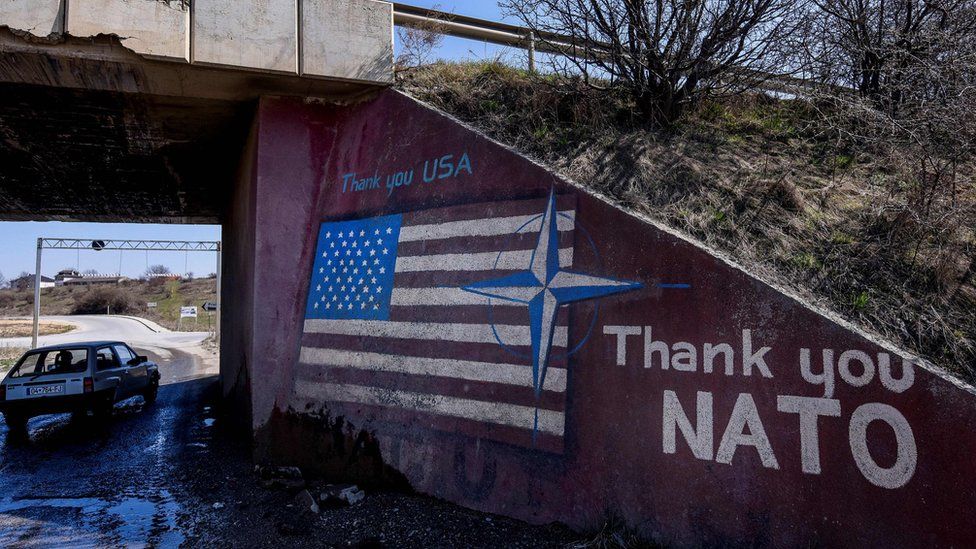
Despite the bloody breakup of Yugoslavia 30 years ago, peace has been far from present within the Balkans. The Kosovo War stands as a painful reminder of ethnic cleansing and violence in the long-disputed region.
The Kosovo War was fought for a year between 1998 and 1999. The forces of the Federal Republic of Yugoslavia (Serbia and Montenegro) were pitted against Kosovo Albanian rebels, known as the Kosovo Liberation Army. The war was fought after the suppression of Kosovo and ethnic Albanians under the rule of ex-Serbian and Yugoslav president Slobodan Milošević. The war subsided after the controversial NATO-backed bombings of Yugoslav forces, which was credited with driving forces out of Kosovo and ending the war. Scars still show from the war in everyday life in Kosovo.
 beniciapaw.com