By Staff
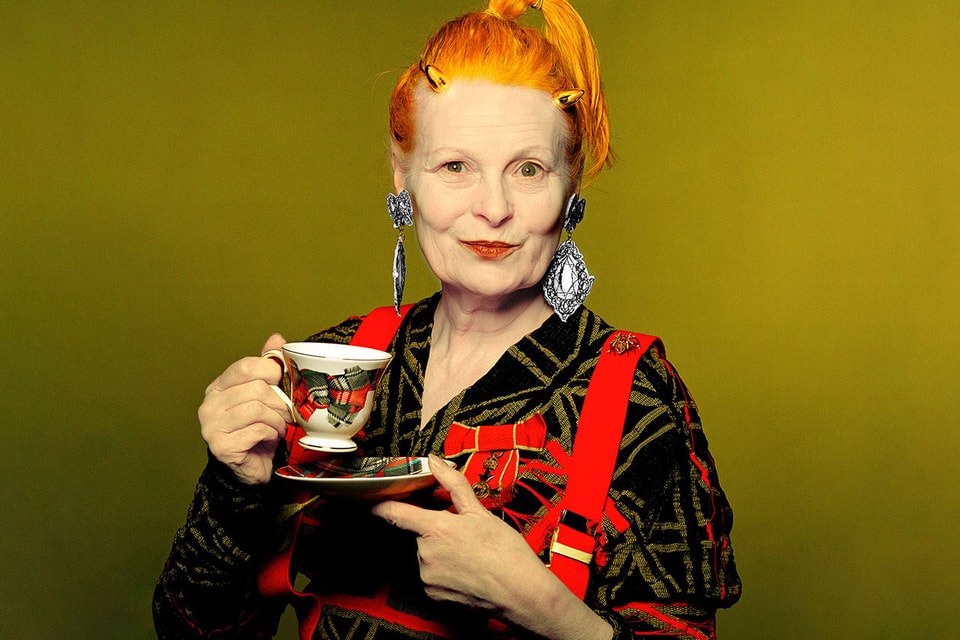
Vivienne Westwood, born in a village in Derbyshire in 1941, was the daughter of a factory worker and cotton weaver. When she moved to London with her family as a teenager, she trained as a primary school teacher. She later married, but was divorced soon after. Following this split, Westwood met who would soon become not only her lifelong friend, but also her fashion affiliate, Malcolm McLaren. McLaren was an art student, and with his talented hand and Westwood’s restless idealism, they started creating clothing.
It all started in the late 60’s in a shop unit at 430 King’s Road in Chelsea. Here, Westwood and McLaren sold clothing to those brave enough to take edgy, punk wear onto the streets. They both loved to shock people and to have their work referred to as “deviant”
In 1976, 430 King’s Road was renamed Seditionaries: Clothes for Heroes. They continued selling unusual pieces which constantly pushed the social boundaries. These items got most of their attention from members of McLaren’s punk rock band, the Sex Pistols.
The breakup of the Sex Pistols left Westwood feeling disillusioned. Turning 40, she began to look for a new aesthetic, one of “high” culture. This dramatic shift from punk to pearl was fueled by her growing interest in history, art, and culture. She became an avid reader and traveler, which broadened her horizons and exposed her to new ideas and influences.
Following this trend, we see collections featuring nods to historical fashion, such as 18th-century corsets and Victorian garments, interwoven with a sense of surrealism. Westwood’s work in the early 1980s also coincided with the New Romantic movement, which emphasized opulence, flamboyance, and historicism. These collections marked a turning point in her career and a movement towards a more sophisticated and theatrical style.
The evolution of Vivienne Westwood’s style from punk provocateur to a sophisticated high-fashion icon is a testament to her creative genius and adaptability. Through a combination of education, cultural influences, and a deep-rooted desire to continually push boundaries, Westwood’s designs have transcended the punk movement’s rebellious origins. Today, she is celebrated as a fashion legend who continues to blend elements of punk subversion with high-fashion sophistication, proving that true style knows no boundaries and is always subject to evolution.
 beniciapaw.com