By: Kana McNiff
In the past decade, human impacts on the environment have become an increasingly prevalent issue. If we continue on the path we’re on, what will our life look like? Right now the future doesn’t look too bright.
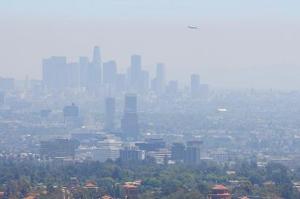
Scientists in the US anticipate rising temperatures, worsening air quality, and increased wildfires in the coming decades. In 2017, the average air quality index (AQI) in the US was 39.29, In 2021, the average AQI was 39.9 in the US. Although not a drastic increase, the AQI will continue to rise as time continues
Due to overfishing, pollution, and warming waters, by 2048, there will be virtually no edible fish left in the ocean. Removing even a single species from an ecosystem will disrupt the entire food chain. For example, if bluefin tuna became extinct, the fish they eat like herring and mackerel would increase in population because there isn’t a predator to keep the population down. If there are too many herring and mackerel, they would decimate the populations of their prey. This would eventually lead to a domino effect where producers like phytoplankton and algae would die off, killing all of the organisms in the ocean.
Increased use of herbicides and pesticides are decreasing the bee population around the world. Pollinators like bees are an essential part of human life because every flowering plant needs the pollination of bees. Fruits, vegetables, coffee, spices, and nuts are all every-day foods that need the pollination of bees to reproduce. Without these foods, we would see a massive decline in the economy due to reduced food imports and exports.
In order to reverse the effects of human impacts on the environment, we need to do more than just be conscientious of our impact on the environment. Make a point to contribute less to plastic pollution. Don’t buy single-use plastic or products with single-use packaging. Carpool with friends and invest in a bicycle to take you places. Conserve energy by unplugging cords you aren’t using and turning off the lights in rooms you aren’t in. Be the change you want to see. Remember, being environmentally conscious is cool.
 beniciapaw.com