By Beau Cline
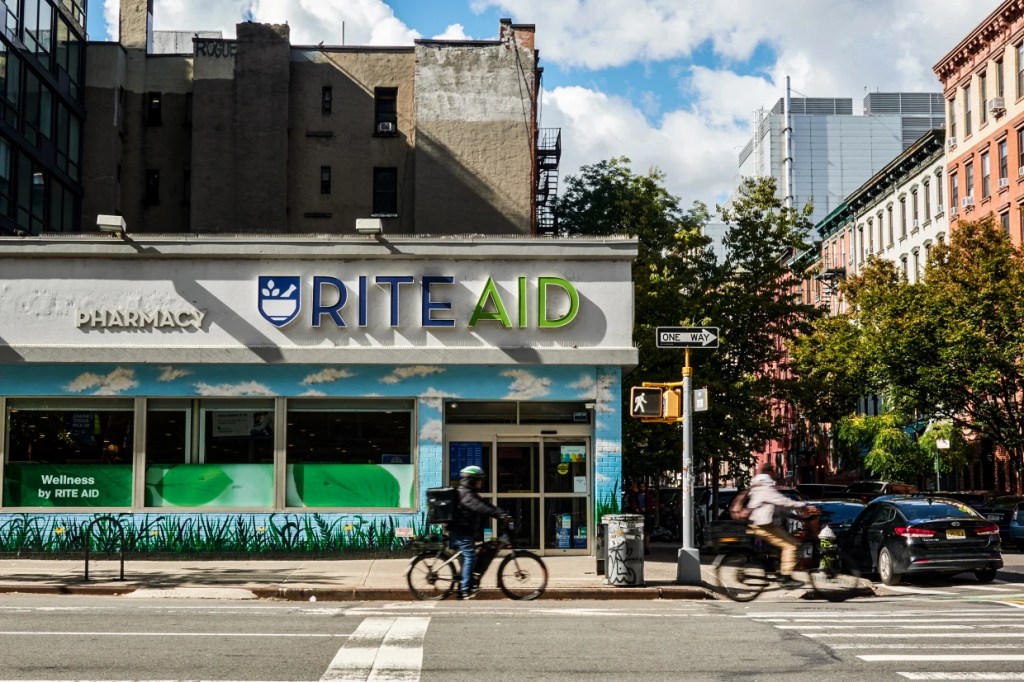
This Sunday, the third-largest drugstore chain declared bankruptcy after 61 years of dealing drugs. They are expected to close a large chunk of their 2,100 retail stores around the US, with over 400 of them expected to close by the end of this year. Following their trend of shutting down over 300 stores per year in the past.
Over the past 6 years, they have recorded approximately $2.9 billion in losses and $3.3 billion in long-term debt. As you can see, this isn’t a new problem; however, this year alone, they reported a major $5.7 billion revenue fall, resulting in $306.7 million of net losses, pushing them over the edge into bankruptcy. Neil Saunders, a GlobalData retail analyst, had this to say about Rite Aid, “Against this financial backdrop, Rite Aid simply isn’t a viable entity,” Saunders said. “It is basically running on the fumes of cash it generates in the day-to-day business.”
Now the question is: What effects will this bankruptcy have on its workers and customers? Fortunately, you’ll be able to get your prescriptions or get them delivered to your house. “We recognize the important role we play in serving you and meeting your healthcare needs, so we want to make sure you understand what this means for you,” Jeffrey S. Stein, the newly appointed CEO of Rite Aid, said in a letter to customers. Now for the pharmacists and employees of the affected rite aid will hopefully be transferred to another location if possible. Otherwise, they will have to find jobs at other pharmacies or chains like CVS or Walgreens, as they reportedly are also having staffing shortages.
Another major factor to look at is the lawsuits they are facing over opioid distribution. They’ve already settled several times for oversupplying prescription opioids, including one last year with the state of West Virginia for up to $30 million.
These are just a few of the reasons why Rite Aid is declaring bankruptcy after 61 years of supplying their communities with drugs and a scoop of ice cream on the side.
 beniciapaw.com