By Gavin Serrano
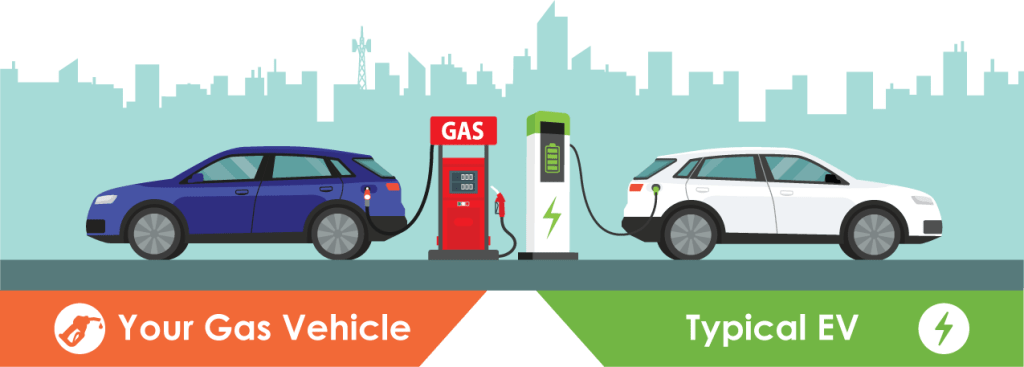
Gas powered cars have undoubtedly changed our world for the worse. We now have a plan to limit such bad effects. According to Cnet, “Starting in 2035, California will prohibit the sale of new gas-powered cars. A measure approved by the California Air Resources Board requires all new cars, SUVs and pickup trucks sold in the state to generate zero tailpipe emissions by then.” What are the negative effects of gas cars? The emissions coming from gas cars make our summer warmer and the winters warmer, so it’s damaging our planet. Electric cars are seen as the solution, but are they really better than conventional gasoline cars?
What about hybrid cars? What’s the deal with them? You might know what they are, but if not, they are a hybrid. So they are better for the environment. Still it’s not one hundred percent.
emissions are so detrimental to the environment its leading to dryer seasons, leading to more wildfires and longer dry seasons. Smoke comes with fire therefore creating more days with smoke in the air, which is not only bad for us, but it’s bad for the environment. According to California air resources, “Wildfires produce a range of harmful air pollutants, from cancer-causing substances to tiny particles that can aggravate existing health problems and increase the risk of heart attack or stroke”
Shifting focus from conventional to electric, electric cars are not new but they have been gaining in popularity over the years. According to Jdpower, electric cars only account for about 1 percent of the vehicles on the road today, as shown in this quote: ”Electric vehicles account for less than 1% of the 250 million vehicles, SUVs, and light-duty trucks sold in the United States. Only around 17 million new cars are being built each year, changing the vehicles from gas-powered to electric will be a long process, especially as far as the government is concerned.” About 250 million conventional gasoline cars are in the U.S, but the average electric car costs around $50,000 where a conventional gas car could cost around $5,000 (this example is using the price of a 1011 Honda Accord with around 100,000 miles, which is practically brand new for a Honda).
The price of an eclectic automobile is simply higher for the vehicle itself, but what about the lithium that goes into the batteries that go into the car itself? Well, the process of acquiring lithium isn’t beneficial for our planet, in fact “the process of extracting lithium consumes significant amounts of water and energy, and lithium mining can pollute the air and water with chemicals and heavy metals. In addition, mining lithium can disrupt wildlife habitats and cause soil erosion, leading to long-term ecological damage (Borrum energy solutions).”
Think of this: What if we didn’t need batteries at all to power a car? How would that look and or work? It would certainly help extinguish the environment because of mining for lithium. This isn’t just a fantasy. It’s the reality of this one specific company.
This revolutionary vehicle was developed by nanoflowcell Holdings plc. They have successfully designed and produced a car that doesn’t require either gasoline or a battery, which perhaps one of the best chances humans have at helping the environment. This car has a range of about 2,000 miles from full to “empty tank”, but the reason this car is so environmentally friendly is because of its lack of hazardous fuel. “How is that possible?” one might ask. It’s possible by using fuel consisting of bi-ION+ and bi-ION-. Then, the car uses a flow cell and vaporizer to make electricity which travels directly to the motors, which means there’s no use for a battery.
To summarize, the decision between electric and traditional gasoline cars is still up for debate, but when concluding such an argument we should consider environmental concerns and, yes, the physical price but also the societal cost of such vehicles.
 beniciapaw.com