By Hannah Beserra
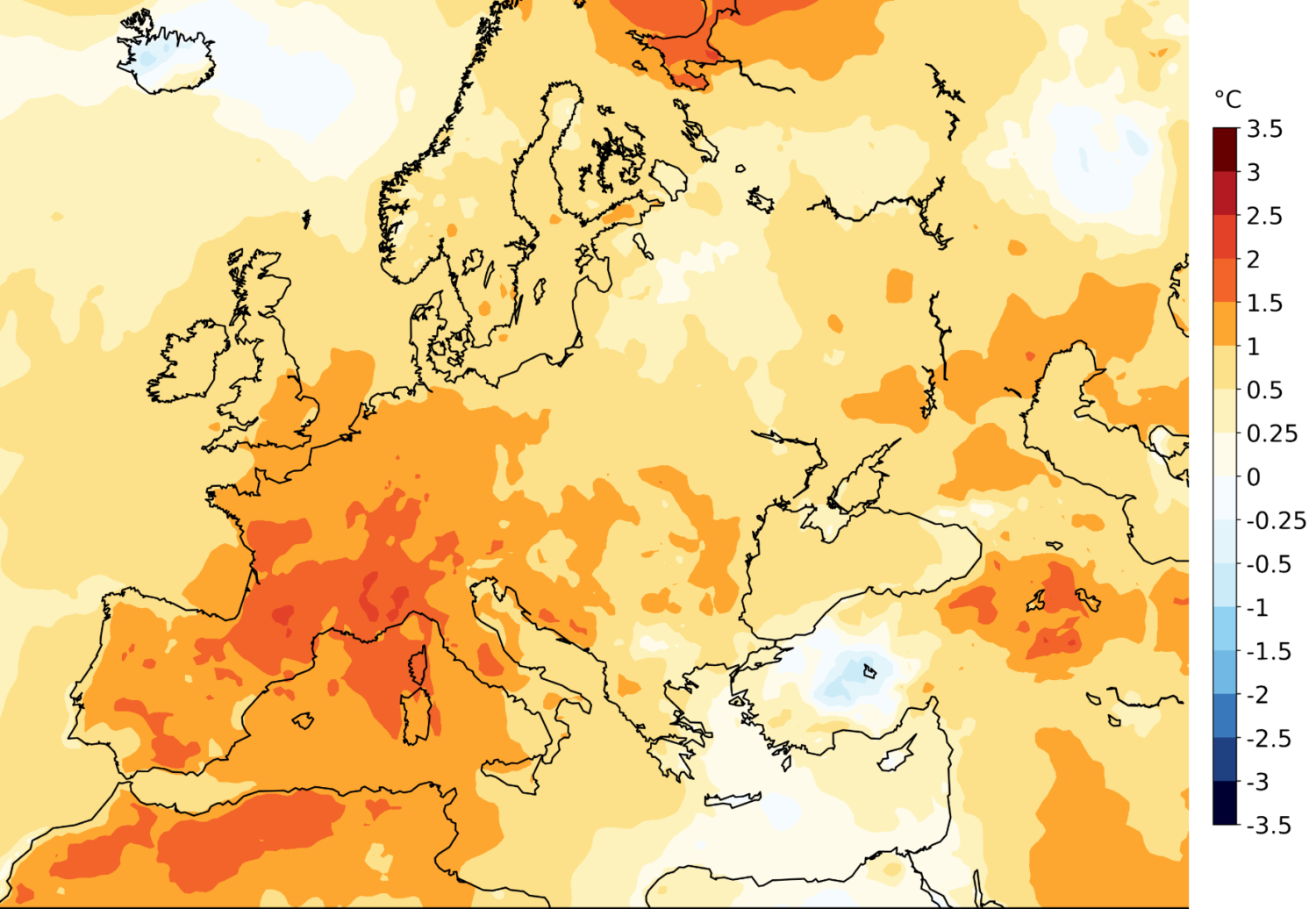
Europe is getting hotter day by day. Among all the continents, Europe is warming up at
pace that surpasses the global average. This means that temperatures in Europe are rising quicker than other parts of the world.
So why is this happening? Well, there are a few reasons. One big factor is human activity. When people burn fossil fuels like coal, oil, and gas for energy, it releases greenhouse gasses into the air. These gasses trap heat from the sun, causing temperatures to rise. Europe, with its many industries, cars, and homes needing energy, emits lots of these greenhouse gasses.
Another reason is changes in the landscape. As people cut down forests and replace them with buildings or farms, the land loses its ability to cool the air and absorb carbon dioxide, another greenhouse gas. This makes the warming even worse.
But it’s not just about what people are doing. Europe’s geography also plays a role. The continent is surrounded by water, and as the oceans warm, they can influence the climate on land. Plus, Europe’s position on the globe means it gets a mix of different weather patterns from both the Atlantic Ocean and the Eurasian landmass, which can lead to some unexpected changes in temperature.
So, what does this mean for Europe and its people? Warmer temperatures can lead to more extreme weather events, like heat waves, storms, and floods. These can cause damage to homes, crops, and infrastructure, and even put peoples’ lives at risk.
And it’s not just about the immediate impacts. Rising temperatures can also have long-term effects on ecosystems and wildlife. Some species may struggle to adapt to the changes, while others may thrive, leading to shifts in the balance of ecosystems.
While the situation may seem dire, there are things that can be done to slow down the warming of Europe. For one, reducing greenhouse gas emissions is key. This means finding cleaner ways to produce energy, like solar and wind power, and making our homes and industries more energy efficient. Conserving natural habitats and reforesting areas that have been cleared can also help. Trees are great at absorbing carbon dioxide from the air, so having more can act as a natural buffer against climate change. And finally, we can all do our part by making small changes in our daily lives, like using public transportation instead of driving or reducing our energy consumption at home.
In conclusion, Europe may be warming up fast, but it’s not too late to take action. By working together to reduce emissions, protect natural habitats, and adapt to the changes that are already happening, we can help reduce the impacts of climate change.
 beniciapaw.com