By Mia Warren
Halloween is a national holiday known for many fun activities, such as dressing up in costumes, trick or treating, passing out candy, partying, and spooky decorations. This is celebrated worldwide. Many look forward to this time of year and all the Halloween movies and specials that come with it. It was influenced by the ancient Celtic festival of Samhain. People would light bonfires and dress up in scary costumes to keep away spirits and honor all Saints. This is different from today’s traditions, where people dress up in funny costumes and celebrate with themed parties and decorated treats. Many popular things people associate with Halloween now are much different and have made it less of a serious holiday.
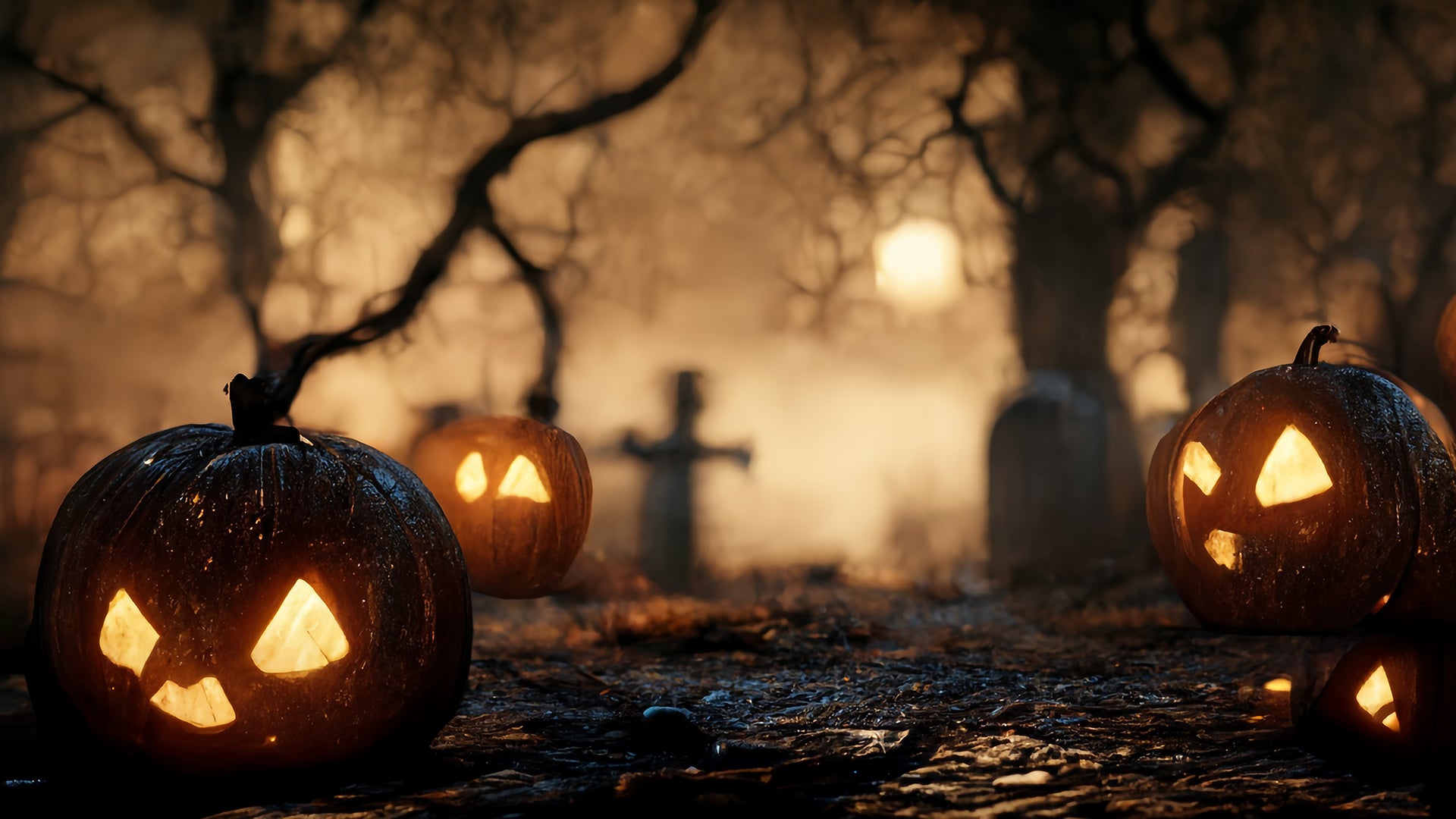
Halloween has aspects inspired by a celebration on the eve of the Western Christian feast known as All Hallows day. It was believed that spirits returned on this day, so people would dress up and dance with lit bonfires to ward off bad spirits. The tradition of trick or treating traces all the way back to the 16th century. People would go door to door and perform dances in exchange for food and treats. People now dress up on October 31st for fun with scary, funny, and matching costumes. This day has come to include many other fun things for children, such as carving jack-o-lanterns, festivals, and watching Halloween movies.
Before Halloween became the holiday of dressing up in spooky costumes, there was a religious day in Ireland during which they would make sacrifices to their gods. The priests would make big sacred bonfires, where people came and burned crops and animals as a sacrifice to the Celtic deities. This was a celebration where the Celts would wear costumes, usually consisting of animal heads and skins, and would attempt to tell one another’s fortunes. At the very end of the ceremony, they would put out the bonfires and later re-light them because they were believed to be sacred with the ability to protect people for the upcoming winter season.
 beniciapaw.com