By Reed Richards
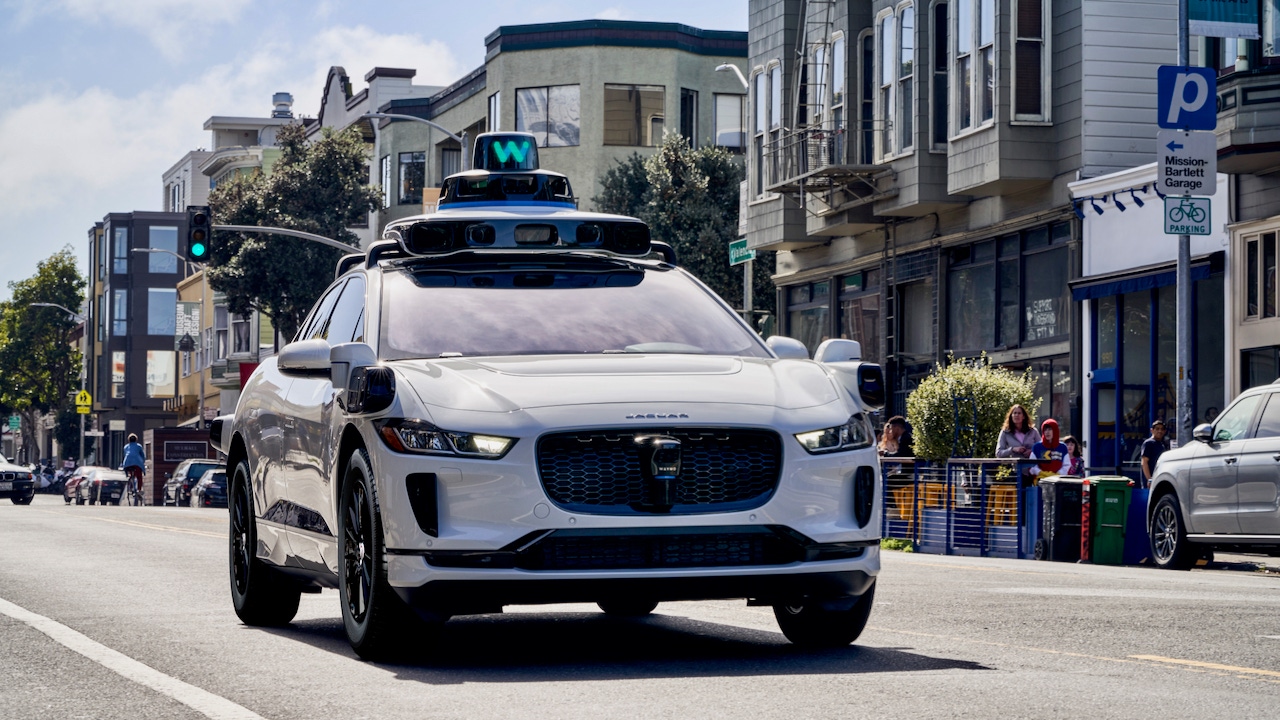
Constant advances in AI and technology in the last couple of years have been extraordinary. Things like image generation, information condensation and spatial mapping have made leaps and bounds of progress in just a few years! Nowhere else is this more apparent than in the Waymo self-driving cars. These cars are in a whole league of their own with their capabilities of driverless transportation making ride sharing apps like Uber and Lyft lose business in cities that have adopted these driverless cars, such as San Francisco.
Even though these cars are marvels of modern technology, they don’t come without their share of issues. These cars are not perfect and have been reported to be blocking traffic and fire fighters, killing a dog, driving through wet cement and being the target of vandalism with cones placed over their sensors.
A big problem that initially was prevalent in the SoMa neighborhood of San Francisco was that the cars have a feature to avoid low speed collisions by honking to alert other drivers of their presence. Unfortunately, this feature would also activate even if there was no person driving the car! So, in the parking lots for the self-driving cars, they would honk at each other when attempting to park for the night, making a big ruckus for local residents.
A Waymo spokesperson said, “It has been working great in the city, but we didn’t quite anticipate it would happen so often in our own parking lots. We’ve updated the software, so our electric vehicles should keep the noise down for our neighbors moving forward.” After this update, the mass honking indeed died down, and the residents could peacefully sleep again.
These cars have been a topic of heated debate in San Francisco because of their unpredictable and potentially dangerous nature by not being driven by a human. From 2021 to 2022, according to the NHTSA (National Highway Traffic Safety Administration), there were 6 fatal accidents involving these self-driving cars, 5 serious injuries, 22 moderate injuries, 19 minor injuries and 46 crashes with no reported injuries.
Although there are many risks involving the self-driving cars, not many regulations have been released on them other than approval on the production of cars without traditional pedals and steering wheels, according to an update of the NHTSA regulations. As long as self driving cars meet state regulations, they are ok to produce and send out.
Waymo being the largest producer of self-driving cars right now has little competition, but of the competitors the most prevalent are Pony.ai and Tesla. Both of these companies make autonomous driving vehicles, but Tesla has more of an assisted driving mode rather than full automatic driving.
Notable crashes and statistics involving self driving accidents are slightly skewed because of the scarcity of incidents. Concerns of crashes and nobody to exchange insurance with is a big problem, but self-driving cars can also bring safety to the road if it becomes normalised. Human error would be completely eliminated, making driving much safer. It’s still too early to tell, but it’s looking pretty good for self-driving cars in the future.
 beniciapaw.com