By Alex Hendricksen
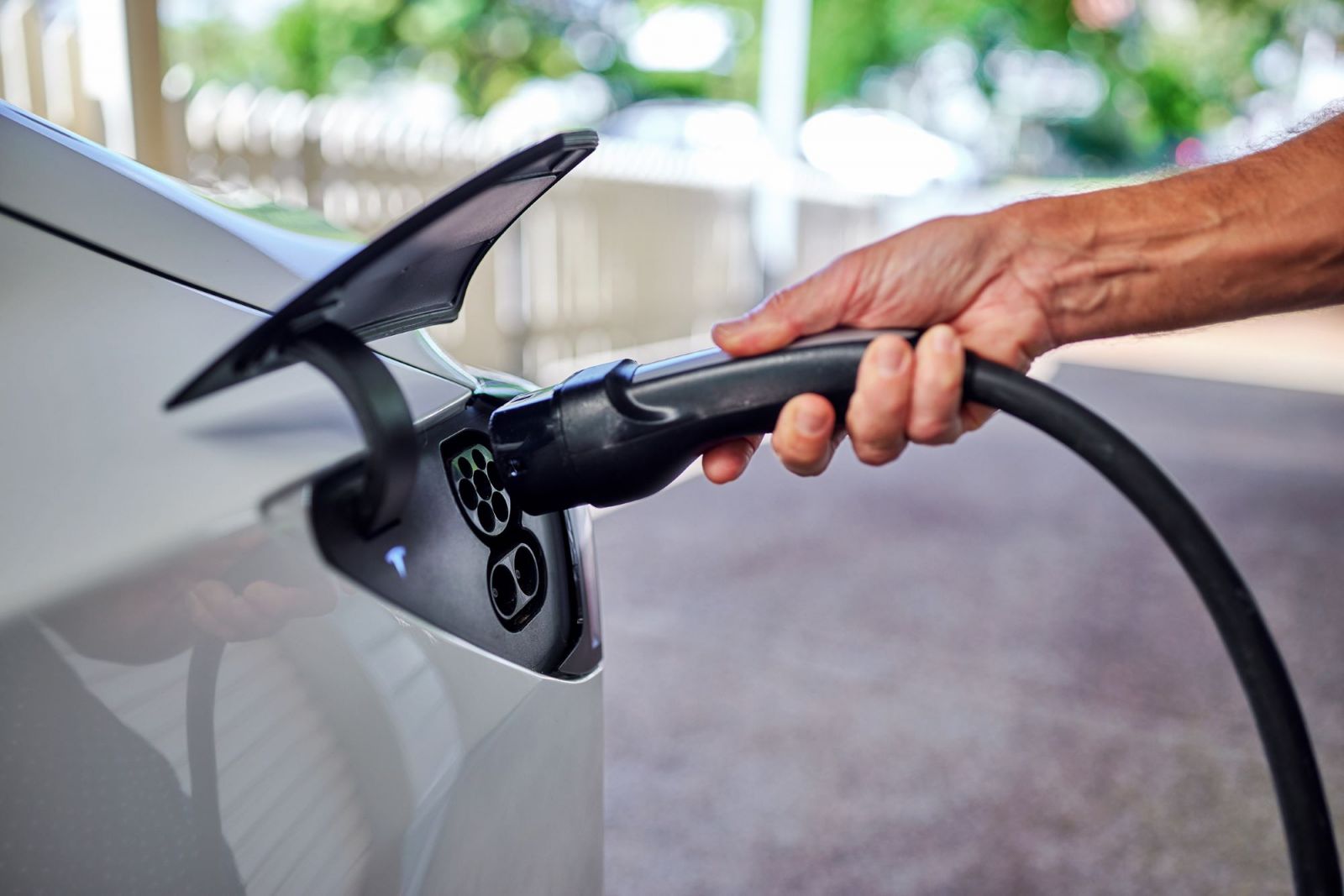
California has always been an environmentally friendly and forward state. Though incentives towards owning electric cars have been around for fifteen years now, California has finally decided that they’re going to be the only new cars sold starting in the year 2035. The California Air Resources Board described how the only new vehicles that will be sold in 2035 will be ZEV’s. ZEV stands for zero emission vehicles, which do not put out any CO2 while driving.
So, then, what’s the problem? Millions of people will be forced to buy into a new ecosystem, but if they’re as clean and as efficient as they’re made out to be, why are Californians up and arms about the change? Many people are upset about this, but for a misguided reason.
People believe that electric cars are boring, soulless, inefficient, and unsafe. While they may be uninteresting, electric cars are becoming as efficient as ICE (Internal Combustion Engine) powered cars due to advances in battery technology. Except, not really.
According to vitalsigns.mtc.ca.gov/, Californians from urban areas (Bay area and Los Angeles) drove an average of 18.9 miles per day in 2020. This looks miniscule when you consider the range people are getting out of select ICE vehicles such as the 2021 Ford F-150 Diesel, 2017 Chevrolet Cruze Diesel, and the 2024 Porsche Panamera. The 410 mile range from the electric Lucid Air sounds pretty good, but these aforementioned gas and diesel vehicles all get more than 700 miles per fill up. This means that the average Californian could do their daily driving for more than a month and not have to worry about filling up.
The Porsche is at the top of the list of ICE vehicles that can get the most miles out of a single tank of gas, not unlike the Lucid air when it comes to electric cars. Both of these are expensive vehicles, with both vehicles averaging $100,000. This is far out of the realm of average Americans. Nationwide, the average new car costs around $35,000. Nearly tripling that cost would not be ideal, especially as most Americans already cannot afford a new car. Many Americans live paycheck to paycheck, which forces them into poor lease deals.
Aside from lower ranges, lower infrastructure, and substantially higher cost, what is the main issue? A majority of people purchase EV’s because they won’t have to pump gas, and it’s better for the environment. While there are no emissions that come from driving a hydrogen or electric car, the process of making the cars is less than ideal.
There is a place in the world called the Lithium Triangle. Sections of Chile, Bolivia, and Argentina make up this place. The Lithium Triangle is made up of highland salt flats that span thousands of acres. This land holds as much as 60 percent of the lithium in the world. This colossal figure has led many companies to exploit the land for profit, and push native peoples out of their homes.
Though the displacement of these people is very sad, the lithium mining process cannot be ignored. Lithium is intertwined with various elements underground, so it is sucked up in a sort of brine. Once the brine is extracted, it is put together in huge vats dug into the ground. The salty brine slowly evaporates, leaving lithium and some other minerals. This mixture is taken into water baths to be purified, and after a 12 to 18 month process, you’re greeted with lithium.
The lithium industry uses around 500,000 gallons of freshwater per year. This extreme figure has significantly lowered the already minimal amount of drinking water in the area. This is even more severe because there has been a drought in this area since 2010.
Lithium is still in abundance in this area, but it cannot continue at this scale.
Through and through, lithium mining is hurting our planet and the people that inhabit it, but the same can be said about the production of combustion engine cars. We all know about the dangers that are posed by extracting crude oil from the ground.
This leaves our world at a crossroad. There are minimal options regarding what we can do to fix our crisis. People will always need to travel, and it is imperative that everyone has a safe and efficient way to do so. Our world needs public transportation.
The United States is one of the least developed countries in terms of public transportation and green transportation, especially considering the fact that it is a first world country. Due to the popularity of suburbs, the people of the United States are forced to own a car. This leads to extremely congested traffic, and horrible greenhouse gas emissions from almost every type of car on the road.
If the United States was to have a city that could efficiently transport people to work and to city centers, and have more walking or biking lanes, then the roads would be clearer. A nice part about this method would be that the United States could keep the highway infrastructure—or remove what is no longer needed—to create clearer roads and more space for communities and cars.
Currently, the mass transit system in the United States is lackluster, and does not provide nearly enough capacity for people in major cities. We also have extremely limited connectivity to rural areas. The addition of various mass transit systems that would connect various parts of cities and rural areas would significantly reduce traffic on roads and provide a greener alternative to driving.
Interestingly enough, some legislation for this has passed before, but has not followed through. Plans to build high-speed rail that would connect various locations in the Midwest were paid for, but this was shot down by government officials in Wisconsin under the Republican Party.
Though expansion in our public transit network would be extremely useful for millions of Americans, passing legislation and going through with the funding would be a nightmare, and will ultimately have a low chance of happening.
Even with all of this, we should not give up hope for our country’s future towards transportation development. We must keep rallying for improvements that go towards making safe, clean and efficient transportation available to everyone that could take advantage of it.
 beniciapaw.com