By Evan Pliego
The National Firearms Act of 1934 was enacted to help reduce gun violence by enforcing restrictions on specific firearms, which were perceived to be the cause of many crimes in America. It limited the lengths of rifle and shotgun barrels to 18 inches. There was an immediate wave of backlash within the first few years. Although it did help limit the amount of firearms that were used in crimes, it also affected a giant population of small hunting firearms in small calibers. Many parents at this time would buy their child a small .22 caliber (or other small simple calibers) rifle with a barrel shorter than 18 inches. The market and population was already saturated with firearms that would be deemed illegal due to this act, but were not even the main target of the act, thus forming a bad taste in some gun owners’ mouths. Anything with a barrel length shorter than 18 inches was illegal or subject to a $200 dollar tax stamp ($4400 today), which was far more than most of these firearms were worth.
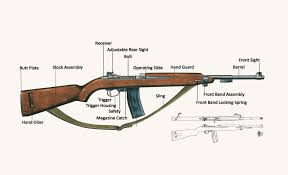
Fast forward 30 years or so to 1963: the U.S. Gov was sitting on almost a quarter million M1 carbines, which was a common rifle used in WWII and the Korean War, but was being phased out and held minimal value to the government. So they sold them to members of the NRA (National Rifle Association) as surplus for $20 shipped (roughly $200 today). They sold around 240,000 rifles.
All 240,000 or so owners of said rifles were now felons, owning illegal firearms sold by an illegal arms dealer—the U.S. GOV!! All of the rifles had barrels shorter than 18 inches, and were therefore illegal.
Fast forward a couple more years, and in 1968, the U.S. finally fixed their mistake with a new GCA act which allowed .22 caliber rifles to have 16 inch barrels, which shortly later was extended to all rifles, now making all the M1 Carbines legal. Oftentimes, this situation is looked back on to show how the U.S. government should be closely watched when making laws/bills pertaining to firearms and the 2nd Amendment.
 beniciapaw.com