By Isaiah Figueroa
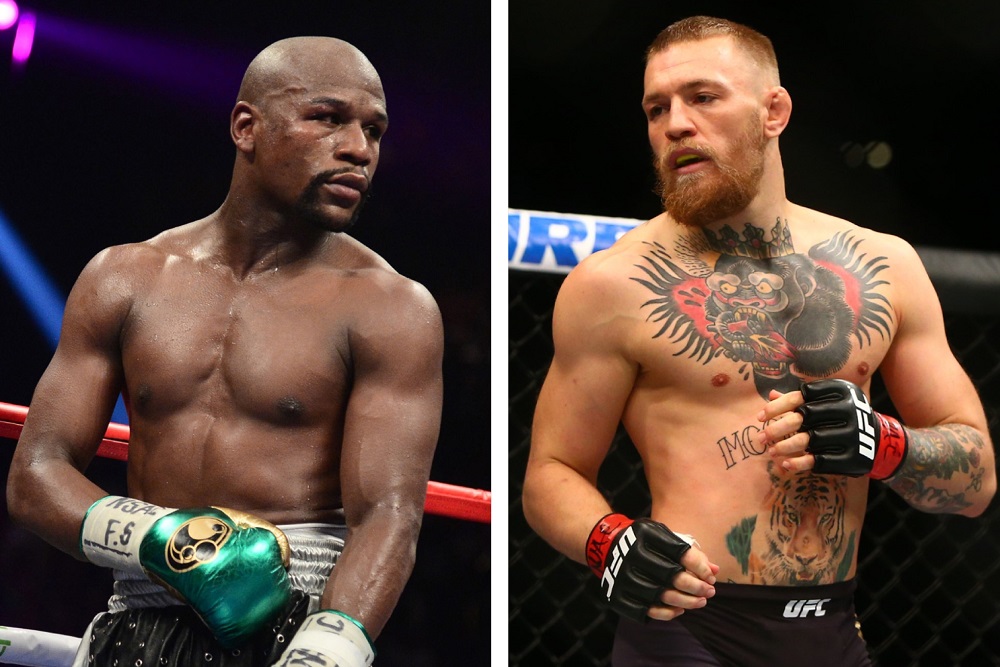
For decades, boxing has been the staple as the most popular combat sport, having historic matches and legendary athletes, like Muhammed Ali, Mike Tyson, George Foreman, etc. With this long history, boxing has earned its respect as one of the most popular sports in the world. However, in recent years, another combat sport has risen to challenge the popularity of boxing. That combat sport is MMA, but in particular: The Ultimate FIghting Championship (also known as the UFC, which is the most popular organization that hosts MMA).
As of 2025, the UFC is not only competing with boxing for viewership and attention but in many aspects surpassing it. Through innovative promotion, greater accessibility, and global outreach, the UFC has become the more widely followed and culturally relevant combat sport, especially with younger audiences.
One of the most significant shifts in these past years was the change in demographics. Boxing, while it is still being watched by millions, often appeals more to the older generations who grew up during the golden age of the sport. The UFC has captured the attention of a younger and more digitally engaged audience. Major streaming platforms like ESPN+, Disney+, and YouTube show UFC events more consistently, helping attract more viewers than boxing matches. Social media also plays a major role in this trend. UFC fighters regularly post training updates, interviews, and behind the scenes on Instagram, TikTok, and X (formally known as Twitter), making fans feel more connected to the sport. This level of interaction has helped create a more engaged and loyal fanbase, which is essential in the modern sports landscape.
One thing boxing has done well over the years is putting on major events and organizing big spectacles that make a casual fan interested in the fight scene. One of these big spectacles was the triple header that took place in Time Square, New York, which was the first of its kind. It stands as the first major sporting event that was held in Time Square. However, one downside is that these big events that take place in these big landmarks often overshadow the actual fights, which can be disappointing to fans.
One thing that boxing has struggled in these past few years is that it is failing to produce new superstars, like back in the day. There are still big stars, like Gervonta “Tank” Davis, Ryan Garcia, Devin Haney, and, my personal favorite, Saul “Canelo” Alvarez. In contrast, the UFC has been doing really good recently by producing superstars because of how they market the athletes. Some of these stars are Conor McGreggor, Sean O’Malley, and the biggest in recent memory is Alex Pereira.
A major challenge that boxing has struggled with is the structure. With multiple promotions and sanctioning bodies, it can be difficult for casual fans to follow the sport. Championship titles are often divided among different organizations, and major fights are sometimes delayed due to disagreements between promoters or contract disputes. The UFC, however, operates under a single organizational body, which allows for an easier approach. Champions are easily identifiable, rankings are clear, and title fights are scheduled regularly. This organization provides clarity to the fans that top fighters will compete against each other in a timely and fair fashion. It also allows for consistent, even scheduling, having fights airing nearly every weekend. The way the UFC hosts these fight cards keeps the fans engaged.
The UFC’s influence extends beyond sports and into popular culture. Fighters appear in movies, collaborate with fashion and fitness brands and are common guests on big podcasts and YouTube channels. Fighters are not just athletes but they are celebrities, influencers, and icons. Boxing, by comparison, has been a little slower to adapt to these trends. However, boxers like Canelo Alverez are in commercials. Still, the sport as a whole has struggled to modernize its approach to media and promotion. As a result, it often appears disconnected from the younger generation of sports fans.
Another area where the UFC has excelled is global expansion. The organization has invested heavily in promoting events in various countries, including Brazil, Mexico, the United Kingdom, Australia, China, and the Middle East. It has developed athletes from a wide range of national backgrounds, which helps appeal to a broader audience. Boxing also does amazing in this aspect by hosting events in countries like the United States, U.K., Saudi Arabia, and more.
Boxing remains a respected sport with deep roots and a dedicated fanbase. Its history is filled with unforgettable moments and legendary athletes who have shaped the course of the sport’s history. However, the current landscape of combat sports tells a different story.
Through modern marketing, organizational efficiency, broader accessibility, and cultural relevance, the UFC has become the leading combat sports organization of this generation. It appeals to a younger, more global audience, and its structure makes it easier for fans to follow and enjoy.
In the ongoing debate between boxing and MMA, it appears that the UFC has not only caught up but is now leading the way. This is amazing for a relatively new sport that has only been around for less than 50 years.
 beniciapaw.com