By Mia Warren
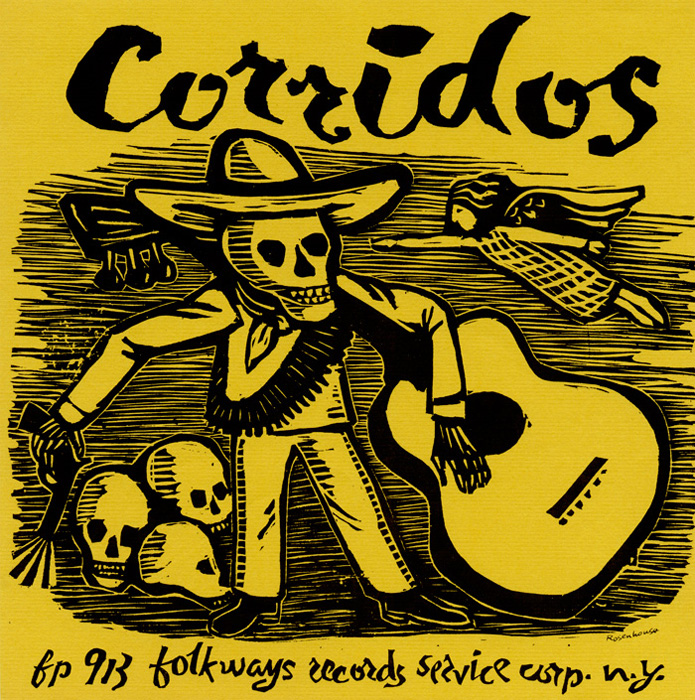
Corrido is a traditional genre of Mexican music that is well known for its unique perspective of telling poetry and stories in everyday life. It has evolved over the last 200 years and is very popular today in both the U.S. and in Mexico. Originally, the word “corrido” comes from the word “correr”, which means “to run”. This was made to reference the fast pace that the songs are usually sung at. These songs go all the way back to the 19th century and earlier, and were influenced by Mexican and Spanish traditions. In some places where a lot of people couldn’t read or write, corridos were used to tell their stories and keep their history alive.
During the Mexican Revolution from 1910-1920, people used corridos to express their political ideas as they fought for a change. They also helped tell revolutionary stories like Pancho Villa. They were celebrated and seen as heroes by society, and corridos contributed to their recognition and celebration. Two popular songs from this time period are “El Corrido de Pancho Villa” and “La Cucaracha”. They became symbolic for the Mexican Revolution.
A few decades after the Mexican Revolution, corridos began evolving and by the 60’s began combining with other genres of music. When corridos started mixing with other popular genres like nortenos, it reached more people and grew in popularity. In the 1970’s a new type of corrido was created, called “narco-corrido”. These songs were typically liked by younger generations and were about cartels or drug lords. They were criticized by many people for sounding like they were bragging about their power, wealth, and crime. However, others saw them as a harsh reality in specific parts of Mexico and enjoyed the music.
Today, corrido is one of the most listened to genres in Mexico, and has also gained popularity in the U.S by many Mexican Americans. Although corridos have evolved a lot over time, they still tell stories, share history, and reflect real struggles of the Mexican people and their lives.
 beniciapaw.com