By Ella Stone
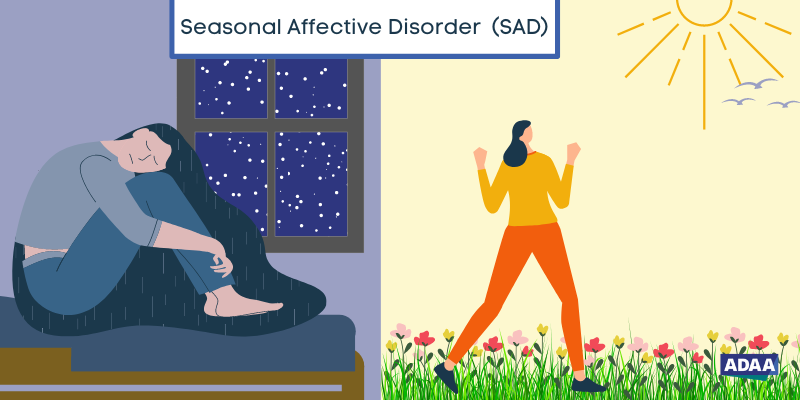
When the weather grows colder and the days grow shorter, people’s moods tend to drop along with their energy. These seasonal changes can cause depression in people. This is called Seasonal Affective Disorder (SAD), also known as seasonal depression.
No one really knows where this sadness tends to come from, but many believe it is from the decrease of sunlight. With the sun being up for less time, the lack of exposure can interfere with your internal clock and decrease your serotonin levels. Cleveland Clinic says, “Serotonin in your brain regulates your mood.” When your levels are balanced you are more focused, calm, and happy. Along with serotonin being down, the amount of vitamin D being taken in from the sun depletes as well. Vitamin D is needed for your brain to function properly, as it plays a major part in mood regulation. Not receiving enough can lead to serious depression, along with many other problems.
Another cause may be your melatonin levels. Many people think melatonin is just something to take to help you sleep, but it is actually something your body creates on its own. It is a hormone your body produces in response to darkness. When it gets darker earlier in the day, your body will start this process early and lead you to be tired more often, and for longer periods of time. This can make you feel sluggish and lazy, and make you not get as much done.
Many times you can tell when you don’t feel quite like yourself. Maybe when you look back at pictures from the summer when you are tan, your smile has never been bigger. Or at the beginning of the school year, waking up was easier and your work got done faster. Common symptoms of seasonal depression can be difficulty focusing or concentrating, feeling hopelessness or oversleeping, and social withdrawal or overall sadness.
It is important to try to stay active and be outside during the daylight. Open your blinds to let in light even if it’s cloudy. Going for a walk or doing yoga daily can increase your serotonin levels and raise your mood. It’s good to have a routine, and not to get stuck lying in bed. Drink water and eat fruits and vegetables, not foods that make you feel sick. Prioritize yourself and do things you love. It is okay to take a self-care day.
If these things are affecting your daily life, it is okay to look for help. Talk to someone and surround yourself with people who bring you joy in these dark months. When the sun comes back out, I’m sure your happiness will come with it.
Feeling this way is tough, but it is important to remember you are not alone. Try to understand why you are feeling this way and treat this sad part of yourself with kindness. Help is always available and taking proactive steps to avoid or at least help your sadness next year may help a lot.
 beniciapaw.com