By Alena Aranda
As the gloomier weather and the rainfall persists, do you ever find yourself feeling unmotivated or downcast? This is actually very common, and you are not alone!
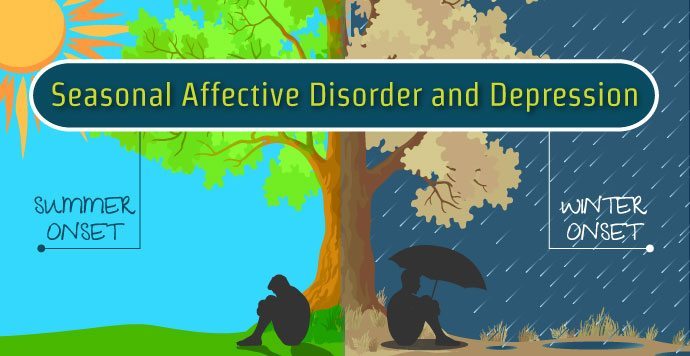
It is not uncommon to experience this type of depression during summer, either. According to Harvard Health, during the winter a lot of individuals experience a chemical imbalance and feel “low and lethargic.” This is due to the lack of vitamin D, which can throw off the circadian rhythms in your brain. Circadian rhythms are essential for your body and brain to sleep normally and function properly. When that is thrown off by a chemical imbalance, your sleep schedule gets thrown off drastically. This is where serotonin plays a part. Serotonin is released throughout the day, making you happy. You naturally boost its production by exercising, getting regular sunlight, and having adequate sleep. The ‘getting regular sunlight’ factor is what is lacking during gloomy weather, which increases your likelihood of feeling sad and down.
There are ways to manage your seasonal depression. Vitamin D supplements are very helpful when it comes to getting enough nutrients, but always get assistance from your doctor to make sure it’s safe for you. Another aid is to have a set schedule for exercising and eating healthy. It might be hard in the beginning, and that’s okay. If you create a routine, it gets easier and easier.
It is shown that SAD (Seasonal Affective Disorder) is more prominent in young adults and teenagers due to brain chemistry. The decreased amount of sunlight can already affect a teenager’s hormones. This makes seasonal depression more common in them than in older people. This has been shown to affect teens’ school attendance and make the workload seem way more overwhelming than it actually is. So, boosting serotonin through healthy methods is especially important for you teens.
The first step is to recognize and create an environment where you can help manage seasonal depression. If you have mood swings or notice yourself having any symptoms of seasonal depression, there are ways to work around it, so keep trying!
 beniciapaw.com