By Quincy Bohne
Since the beginning of the 21st century, self-driving cars have started to become a reality. Over the last 25 years how self-driving cars have operated and what they look like have changed. The advertisements on TV have become more prominent, and they are becoming more widely seen in major cities such as San Francisco and Phoenix as a way to get around. So how do self-driving cars actually work?
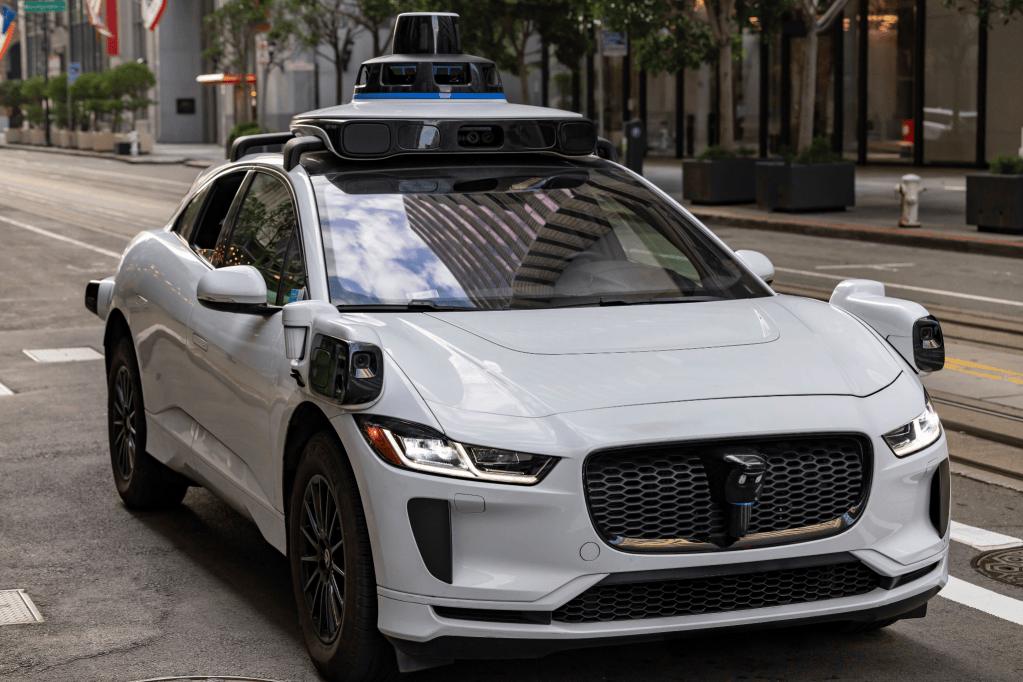
According to Self Driving Cars Explained, an article written by the Union of Concerned Scientists said, “While design details vary, most self-driving systems create and maintain an internal map of their surroundings, based on a wide array of sensors, like radar. Waymo’s vehicles use cameras, sensors, Light Detection and Ranging(lidar), radar, and highly detailed maps to get around. AI is used to improve their performance. Software then processes those inputs, plots a path, and sends instructions to the vehicles’ “actuators,” which control acceleration, braking, and steering. Hard-coded rules, obstacle avoidance algorithms, predictive modeling, and object detection help the software follow traffic rules and navigate obstacles.” The self-driving cars are only as good as what they have previously been programmed and how advanced the AI used with them is.
This might seem very dystopian and weird that AI is now driving cars, but could there be a good outcome on self-driving cars in a city? John Hopkins Bloomberg School of Public Health reports that we lost an estimated 36,640 people on the roads this year. A third of these deaths were related to driving impaired driving. I could not find evidence of self-driving cars causing any deaths this year. It seems that these types of cars might be slowly diminishing the number of people who die on the roads every year.
It has also been proven that most self-driving cars are better for the environment because most run on a fully electric, extremely advanced engine, which causes very little harm to the earth. So overall, self-driving cars sound pretty great, but what are the downsides?
These cars do have a geographical limit: the distance they can travel on one charge. This is much like any other electric car, but self-driving cars will potentially take millions of driving jobs away. Another concern might be how the car runs on computer hardware and software; it might be subject to potential hacking and cyberattacks. This could cause the car to potentially crash and injure the persons inside.
So do the pros outweigh the cons? Now that you know what self-driving cars are and what they do, would you want to try it out?

