By Makena Reyes
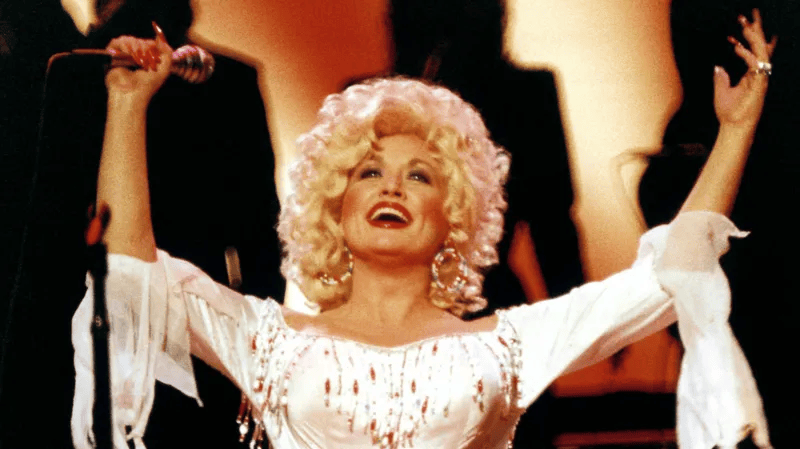
Alongside being the highest earning country music star from 1967-1993, and quickly grabbing hold of her influence and using it to inspire change and challenge the stereotypes forced upon country artists, Dolly left a mark on an everchanging industry. Philanthropist, artist, and icon, Time affirmed, “Is There Anything We Can All Agree On? Yes. Dolly Parton.”
Dolly Parton began her career in a time where television was it. TV was in, and everything else was out. Parton gained her first audience in 1956, after becoming a regular performer on The Cas Walker Show, later moving on to the Porter Wagner Show and creating music with Wagner as a duet from 1967-1974. Additionally, country music was also rising in popularity, and between these two factors, Dolly Parton was set up for success. However, in what ways did Dolly Parton break the mold? How had she managed to stay relevant in an industry designed to consistently change? Dolly not only crafted an entire persona, but strengthened her already bold image with music that would ripple through generations.
Dolly released her first album Hello, I’m Dolly in 1967, and although “Dumb Blonde” never reached the top ten charting songs, Dolly didn’t wait long to keep making music, eventually releasing her next hit song, “Jolene” in 1973. This track was arguably the most defining song of Parton’s entire career, solidifying not only her place in the country music industry, but her iconic personality and artistic style. Perhaps her most beautifully composed work belongs to the same year “Jolene” was released, when Parton released “I Will Always Love You.” Written by Parton herself, the song describes her pursuit of becoming a solo artist and parting ways with Porter Wagner, who had mentored her since she was 21. Ultimately, Parton’s discography is a stunning example of a woman who built her success while influencing country music and creating a completely unique image.
Independent from Dolly Parton’s career in the music industry, Parton was a highly involved philanthropist, both funding and founding organizations built on expanding access to education, as well as expanding research regarding the COVID-19 virus. Time Magazine named Dolly Parton among its 100 Most Notable Philanthropists in 2025, saying, “The musician created the Dollywood foundation in 1988…the foundation supports initiatives to keep kids in school and make sure they can read.” Parton was inspired by her father’s lack of education and inability to read or write and continued her pursuit for equal education until her death. In addition to advocating for education rights and medical research, Parton was a firm ally to members of the LGBTQ+ community. After her death was announced on August 25, 2026, singer Brandi Carlile paid tribute to her memory, acknowledging her acceptance of her identity, “before I met her, I loved her because she took a risk and accepted me (and all of us) for being gay in a time where she didn’t need to say anything.”
Parton utilized her influence to advocate for people who couldn’t do it for themselves displays the kindness of her nature that only amplified her fans’ love and admiration for her.
Today, Dolly Parton is remembered not only for her music, but for her overwhelming contributions to humanity. The news of her passing devastated not just her fan base, but those who were impacted by her philanthropy. Dolly’s passing reminds us to appreciate her after her death, whether that be listening to her discography or donating to her charities. Dolly will be admired forever for the person she was and the effect of her influence on the world.

