By Robin Bruno
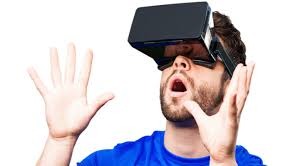
Virtual reality has been around for longer than people realize. How did we even get the idea of being immersed in a fantasy world that one can explore and interact with?
It all could have started from how the ancient Greeks thought of ways to enter Hades or Renaissance art, attempting to fool viewers’ eyes with three-dimensional paintings, or even the history of theatrical design and its immersive theatrical experiences.
There have been many books, screenplays, magazines, and movies that have highlighted virtual reality as a concept.
In Pygmalion’s Spectacles, the author Stanley G. Weinbaum described how, “technologically advanced headset could create a simulated world by reproducing the five senses.”20 years later, Morton Heilig revisited this topic in his article, The Cinema of the Future, where Heilig actually advocated for making a device that could do that.
Heilig talked about how it could be an “immersive cinematic experience,” and that it wouldn’t just be visual art but an “art of consciousness”.
Even though we have been trying to figure out ways to make this immersive fantasy a reality, can our brains handle it?
An article by Niclas Braun from the department of Psychiatry and Psychotherapy says that, “A substantial number of people have developed unpleasant symptoms of depersonalization(DP) and derealization(DR),” after being exposed to virtual reality.
However, with case studies coming back with an association between virtual reality sessions and DPDR symptoms, there is little known about DPDR developing from those who use virtual reality.
With the hype of virtual reality comes newer and smarter AI that comes with it, like the one that is used in the Meta Ray-Bans.
But will virtual reality integrate itself into our “normal” everyday life? Or will it slowly fade out with the rest of the forgotten tech and be replaced by the next big and shiny toy?

