By Nolan Karlitz
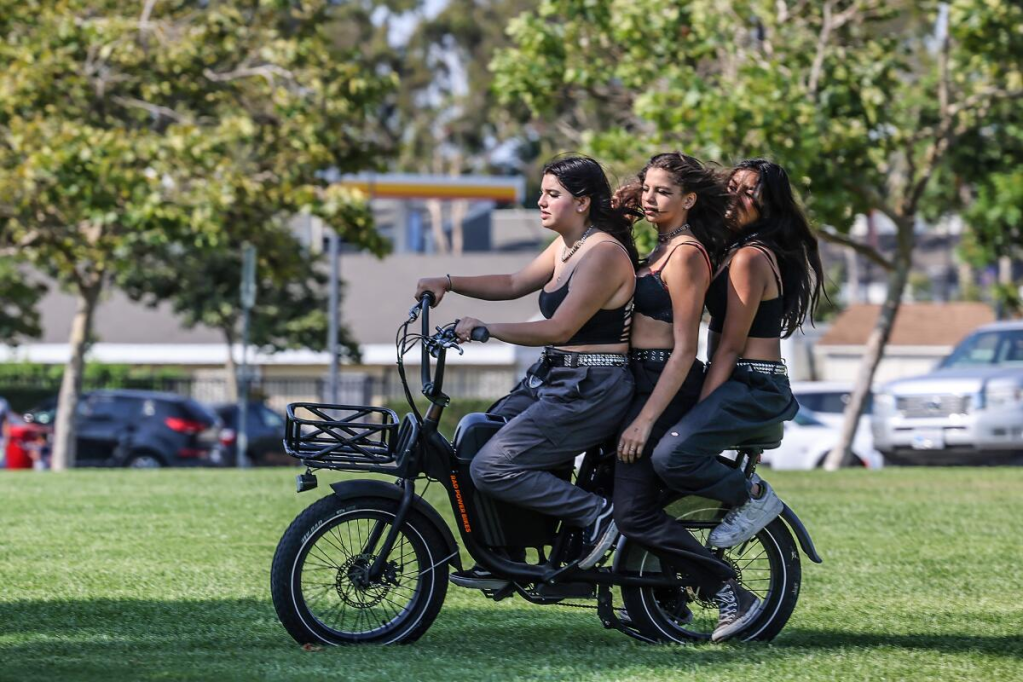
E-Bikes are a major component of transportation for many, yet new laws are combating a certain age group. Teens and tweens are being specifically targeted for the new laws, but maybe it’s for the better. We’ve all seen it, the annoying little gremlins on bikes bigger than them typically seen wheeling up the opposite flow of traffic.
The California government is fed up with the overflow of incidents regarding teens on E-bikes. In retaliation, they have created a few new laws in order to mitigate the ongoing issues.
According to KTLA 5 after an interview with the Seal police, they stated that e-bikes now, if used by anyone younger than 18 years of age, must be operated with a helmet.
Two other requirements are e-bikes must have a rear red light or rear reflector at all times, followed by if there are any modifications that affect the speed of the e-bike, the bike may be impounded.
Other new requirements are for all general e-bikes in California according to Wombi, an e-bike manufacturer, is the UL 2849 certification. The UL 2849 certification means that all ebikes batteries must meet certain requirements such as preventing battery over heating, electrical failure, and battery related fires. In summary, the UL 2849 certification aims to eliminate batteries catching fire while in homes and garages.
More requirements Wombi list are speed requirements for the motor, such as a strict limit of 750 watts, ensuring that there is no way to modify the bike resulting in an increase of speed. All e-bikes now must be required to come with permanent labeling of the wattage and class of the bike, to make sure of clear and straightforward information for police.
Finally, the new laws require more clear class standards making the limitations of each class a more defined line. The following class standards and limitations are the following:
- Class 1, also known as low-speed pedal-assisted e-bikes, provide assistance only while being pedaled and only at speeds under 20 miles an hour.
- Class 2, also known as low-speed throttle-assisted e-bikes, provide power assistance up to 20 mph but have a throttle that allows the rider to engage the motor without pedaling.
- Class 3, also known as speed pedal-assisted electric bicycles, are like Class 1 bicycles except that the motor assistance must stop when the bicycle reaches the speed of 28 miles per hour.
Moreover, e-bikes are now to follow these requirements, and most brands have been manufacturing e-bikes that meet these requirements for a while. These laws are mainly targeting a few brands like Surron, Macfox, Talaria.
It also is now in place to give police officers a new standard to enforce. If you have any question concerning if your e-bike is to legal standard, you can visit your local police station for any concerns.

