By Jacinto Caballero-George
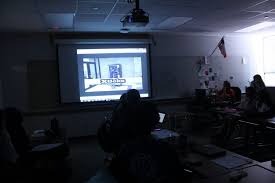
It’s very common for English teachers to show the movie made after the book they’re reading in class. According to teachingtimes.com approximately 83% of teachers nationwide agree that showing movies and videos is productive in class.
According to nikkiwordsmith.com about 65% of people are visual learners, which means the majority of the population learns better with active visuals. This would make watching the movie, rather than solely reading the book more beneficial to their learning experience. However, as many people know, book to movie adaptations not only often cut scenes, but even take liberties in changing scenes or some plot points.
Though a vast majority of the population are visual learners, Mr Hughes, teacher at Benicia High says, “Yes, but only students who already have an understanding of the book,” when asked if he thinks watching the movie gives students a better understanding of the book.
Madison Andrada, a senior at Benicia High stated, “85% of the time it helps me understand the book better,” When she was asked how often watching the movie gives her a better understanding of the book.
Though, this is all assuming that these students are paying attention to the movie. Mr Hughes went on to say that when the book to movie adaptation is more true to the book only about 70% of students actually pay attention to the movie.
As well as that, students who have an understanding and enjoy the book are more likely to disapprove of scenes in the movie that have been changed from the books, contradicting that the students who want a more “Hollywoodified” movie tend to enjoy it more than in the original book. Which causes less interest in movies that are more accurate to the book compared to that of movie adaptations.
This preference can sometimes cause less interest in the book when there are more desirable parts in the movie. Shaia Culligan a freshman at Benicia High says, “I suppose it does,” when she was asked if, when she likes the movie more than the book does it make her dislike the book more.
When Emma Melvin, a junior at Benicia High, was asked if changed scenes in the movie can make it harder to understand the book she said, “Although the movie may help me understand the plot a bit more, the changed scenes can confuse me.” This can sometimes cause problems, especially when major plot points are added, or sometimes even sub plots fully cut out.
With how many people are visual learners and need something visual to understand it can harm their understanding of certain parts of the book and leave them feeling lost.
Laine Penney, a sophomore at Benicia High says, “I would say people do view it as a free day,” when asked if she’s seen more people goof off or pay attention in class while watching a movie.
Though movies can overall help students understand the book they’re reading in class better, it only does for students who actually want to learn or if the movie is entertaining. As Mr Hughes said, students who don’t find the movie entertaining often don’t pay attention to it at all.
Playing movies to give students a better understanding of what they’re reading is a fine line of making sure to distinguish the difference between each, ensuring that the movie is entertaining enough for students to pay attention, and making sure it can be understandable to students who don’t already understand the book.
These are all a fine line to walk, and of course there’s no way to make all students pay attention and understand the book better via film, but using these to optimize learning can make the experience much more productive.

